
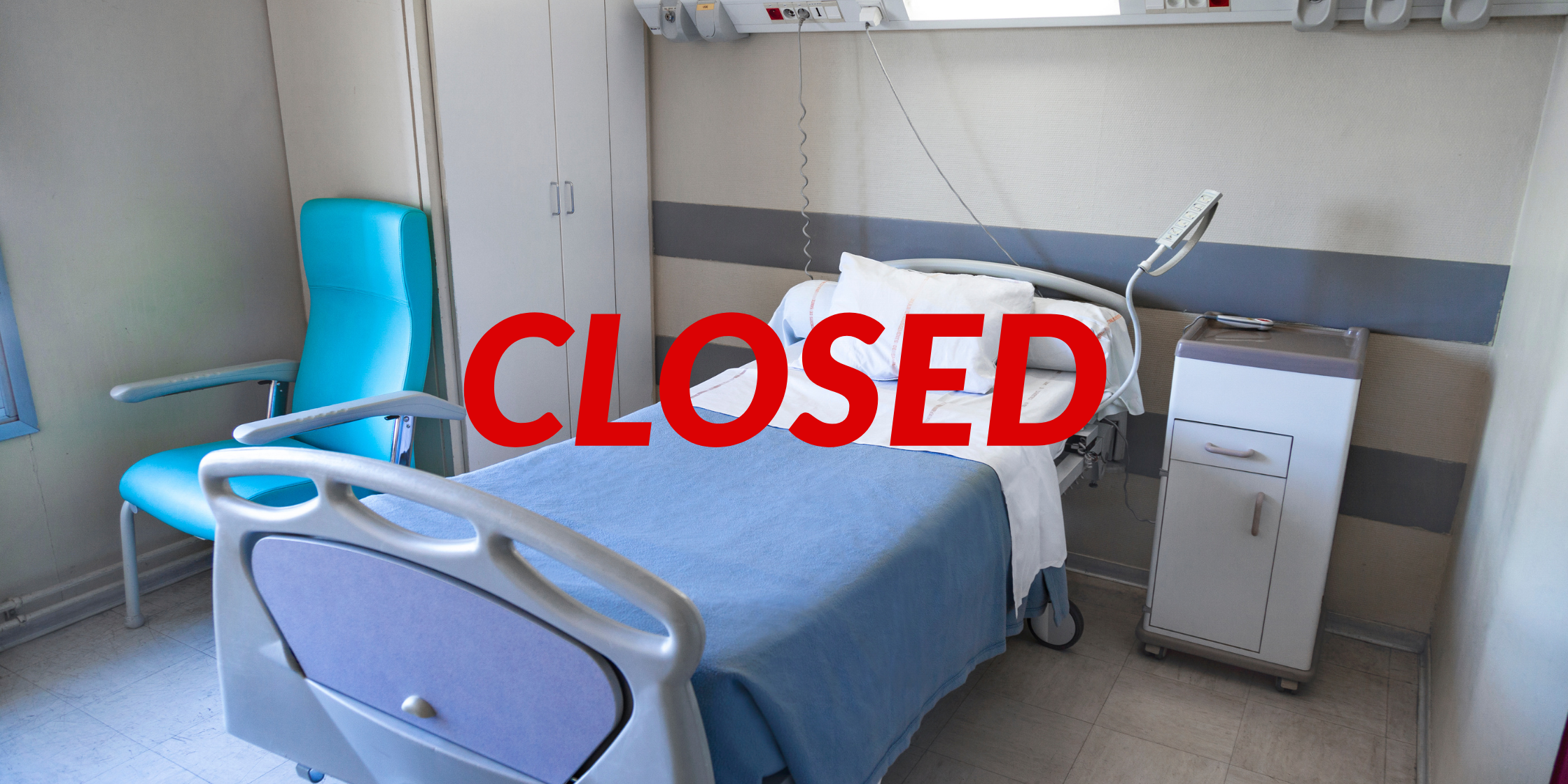
Healthcare access is becoming increasingly fragile in rural America. Hospitals are closing. Clinician shortages are growing. Entire communities are losing local access to care, forcing patients to travel farther, wait longer, and manage increasingly fragmented medical histories. And when care becomes fragmented, the burden often shifts to patients and families.
The Numbers Are Alarming
- More than 180 rural hospitals have closed since 2010
- Rural communities continue to face severe shortages of physicians, nurses, specialists, and behavioral health providers
- Patients are often transferred across multiple systems and providers, creating dangerous gaps in access to medical information
At the same time, rural patients are more likely to:
- Manage multiple chronic conditions
- Travel long distances for specialty care
- Receive treatment across disconnected healthcare systems
The result is repeated visits, tests, and delayed diagnoses. Medication errors. Frustrated clinicians. Exhausted caregivers.
One of the Most Overlooked Costs
But one of the most overlooked costs in healthcare today is what happens when care is delayed, tests are repeated, medications can’t be filled the first visit?
Studies show:
- Approximately 20–30% of patients never return for recommended follow-up care
- Nearly 1 in 5 new prescriptions are never filled
- Medication nonadherence alone contributes to as much as $300 billion annually in avoidable healthcare costs
And in rural communities, these numbers become even more dangerous. Because healthcare access is already difficult. Patients may travel hours for appointments, specialists, imaging, or procedures. Many juggle transportation barriers, caregiver responsibilities, financial stress, limited broadband access, and multiple patient portals that don’t communicate with one another.
What Happens When Healthcare Becomes Too Difficult To Access?
When healthcare information becomes harder to access, many patients simply disengage from care altogether. Follow-up visits get postponed. Medications go unfilled. Chronic conditions worsen quietly until they become emergencies. And when patients travel farther between providers without easy access to their own medical history, continuity of care breaks down even faster. The result is higher rates of emergency care utilization, avoidable hospitalizations, rising healthcare costs, and additional strain on an already shrinking rural workforce.
Healthcare Doesn’t Need More Complexity
Healthcare continues investing billions into infrastructure, interoperability projects, and system integrations. But patients still struggle to carry their own information from one point of care to another. Especially in rural America. And the cost of care in these rural communities is already high. Every missed follow-up, delayed diagnosis, duplicated test, or medication lapse creates a ripple effect, not just for patients, but for already strained rural hospitals, clinicians, and caregivers trying to keep communities healthy with limited resources. In many cases, fragmented care becomes one of the most expensive parts of healthcare itself. Healthcare continues investing billions into infrastructure, interoperability projects, and system integrations. But patients still struggle to carry their own information from one point of care to another. Especially in rural America, where the cost of accessing care is already high enough.
The reality is simple: patients should not have to become their own care coordinators just to navigate the healthcare system. Clinicians should not waste valuable time chasing records, repeating tests, or making decisions with incomplete information. In communities already facing provider shortages and limited resources, every minute, every delay, and every missing piece of information matters.
MedKaz Changes That
MedKaz gives patients immediate access to their complete longitudinal medical history in one portable, patient-controlled device.
- No portal confusion.
- No dependency on internet access.
- No searching across disconnected systems.
One record. Every visit. Any provider. Because when healthcare access becomes uncertain, having your medical history instantly available can make all the difference. Patients carry their health records on their key ring, always up-to-date, always accessible, and always accurate, instantly available for point-of-care decision making. Get yours today: https://medkaz.com/get-medkaz/